




Concrete Repair: A Comprehensive Guide to Maintaining Your Building
Release Time:
2024-05-30 12:40
One common issue with concrete structures is cracks, which can occur due to various factors such as shrinkage, settlement, or overloading. It is essential to address these cracks promptly to prevent further damage to the structure. Concrete repair techniques such as crack injection, patching, and resurfacing can help restore the integrity of the concrete and prevent water infiltration, which can cause corrosion of reinforcing steel.
In addition to cracks, spalling is another common issue with concrete structures, especially in areas exposed to freeze-thaw cycles or harsh weather conditions. Spalling occurs when the concrete surface delaminates and breaks off, exposing the underlying steel reinforcement to corrosion. Proper concrete repair techniques such as removing the damaged concrete, applying a bonding agent, and patching the surface can help prevent further deterioration and extend the lifespan of the structure.
Regular inspection and maintenance of concrete structures are essential to identify any damage early on and address it promptly. By implementing a proactive concrete repair and maintenance program, building owners can avoid costly repairs and ensure the structural integrity of their buildings.
In conclusion, concrete repair is a vital aspect of building maintenance in the construction industry. By understanding common issues with concrete structures and the best practices for repairing and maintaining them, you can provide valuable insights to your clients and help them extend the lifespan of their buildings.
Latest News

High-Performance Cement Additive Redefines Green Construction Materials with Unmatched Strength and Sustainability
Effortless Strength: The Advantages of Carbon Fiber Wrap for Concrete Applications Table of Contents 1. Introduction to Carbon Fiber Wrap 2. What is Carbon Fiber Wrap? 3. Benefits of Carbon Fiber Wrap for Concrete 3.1 Enhanced Durability 3.2 Lightweight Properties 3.3 Flexibility and Versatility 3.4 Cost-Effectiveness
Concrete is a widely used building material known for its durability and strength. However, over time, environmental factors, heavy loads, and general wear can lead to the deterioration of concrete surfaces. Effective concrete repair is crucial for maintaining structural integrity and extending the lifespan of concrete installations. This guide explores essential methods and considerations for pro
Elevating Aesthetics with UHPC Facade Solutions: Transforming Architectural Design Table of Contents 1. Introduction to UHPC Facade Solutions 2. What is Ultra-High Performance Concrete? 3. The Advantages of Using UHPC for Facades 3.1 Exceptional Durability and Longevity 3.2 Aesthetic Versatility and Design Freedom 3.3 Sustainability and Environmental Benefits 4. Applications of UHPC in Modern Arch
Carbon fiber wrap is an advanced material that has gained traction in various industries, including construction and decorative design. Its unique properties make it an ideal choice for applications where strength, lightweight characteristics, and aesthetic appeal are paramount. In this article, we will explore the benefits, uses, and considerations of carbon fiber wrap, particularly within the co
Product Documentation
If you do not have a comprehensive understanding of our products, we have uploaded relevant technical documents for you to download and reference so that you can better understand our product usage and technical parameters
View More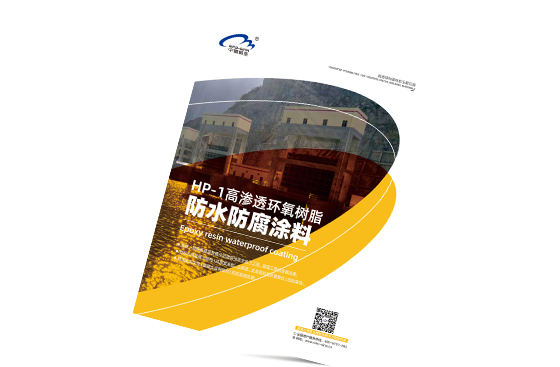
Cooperation Case



Online Message